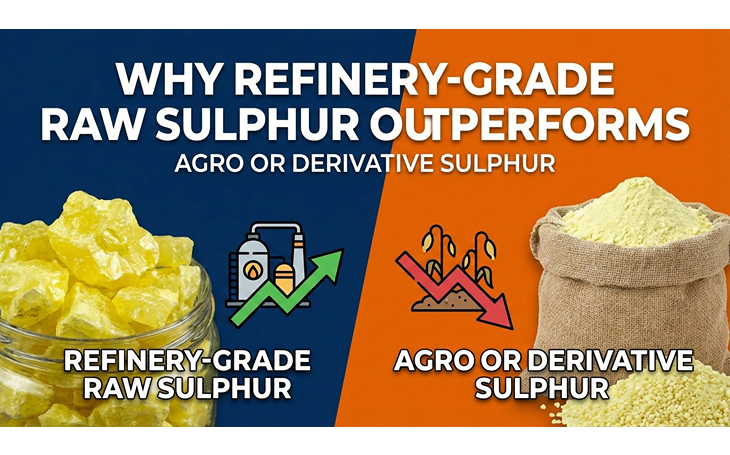
Why Refinery-Grade Raw Sulphur Outperforms Agro or Derivative Sulphur
Sulphur exists in many commercial forms, yet they are not equal. The material used in industrial processing, petrochemicals and fertilizer manufacturing is very different from the sulphur used in agro products. Most buyers outside the industry assume sulphur is sulphur. In reality, refinery-grade raw sulphur performs at a different level because of its purity, consistency and chemical stability.
Understanding the difference between refinery sulphur and derivative forms like bentonite sulphur helps buyers avoid performance issues, contamination risks and wasted production cycles.
Where Refinery Sulphur Comes From
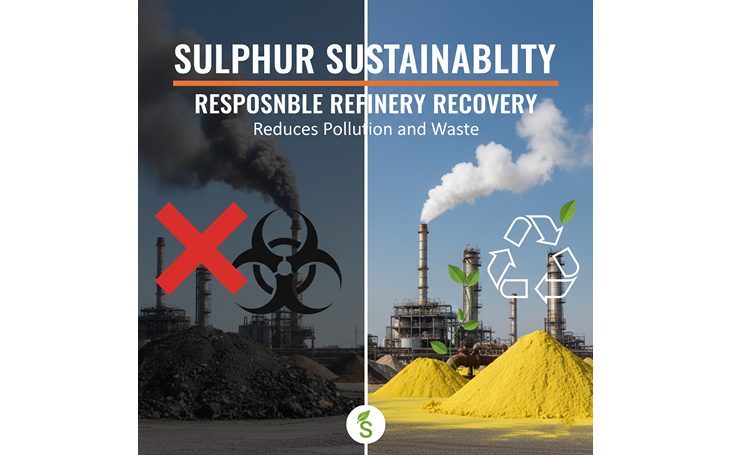
Modern refineries remove sulphur from crude oil and natural gas streams. This process is called desulfurization. It is a technical filtration of unwanted compounds to ensure fuels and petrochemical feedstocks meet emission and quality standards. During this process, elemental sulphur is recovered with tight control.
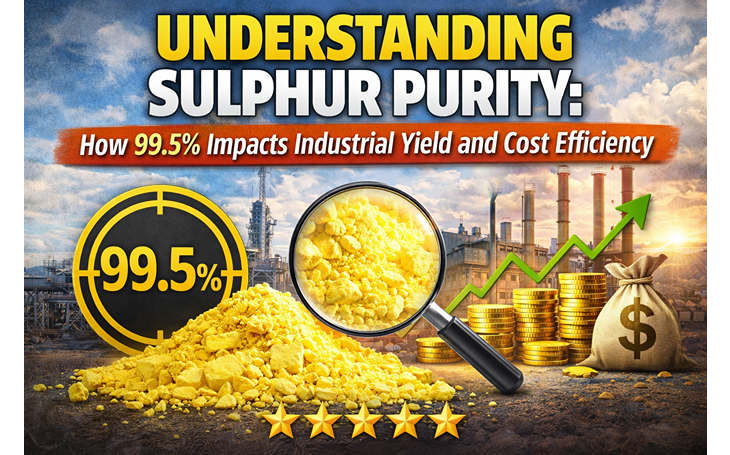
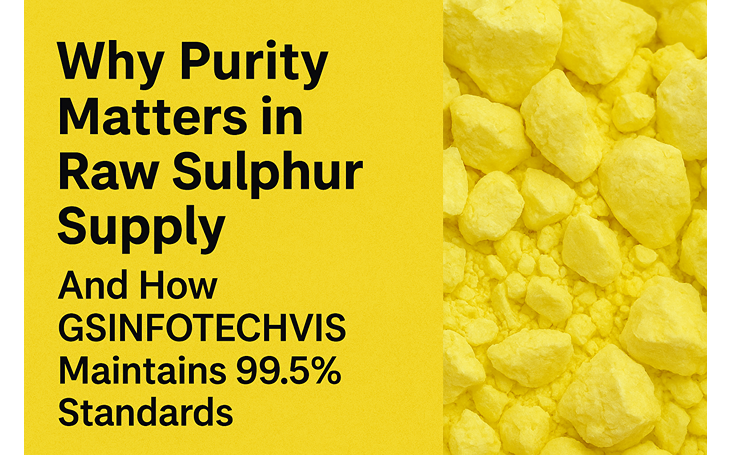
The result is refinery-grade sulphur with typical purity around 99.5 percent. It forms into clean, uniform sulphur balls that remain stable in storage and transportation. This level of control is why industries prefer refinery sulphur as their base material.
What Agro or Derivative Sulphur Really Is
Agricultural sulphur products are designed for soil application. The most common form is bentonite sulphur. It is not pure sulphur. It mixes sulphur with clay binders that swell in soil moisture. This creates slow release behavior aimed at crop nutrition.
These products may be ideal for farming, but they are unsuitable for industrial chemistry. Bentonite sulphur contains additives, fillers and sometimes moisture stabilizers. The clay binder prevents consistent melting and disrupts controlled reactions.
Industrial users need predictable reactions. Agro formulations cannot provide that reliability.
Purity Determines Output
This is where refinery-grade product stands apart. In fertilizer grade phosphate plants, sulphur is converted to sulphuric acid. The reaction is simple on paper but sensitive in practice. Impurities lower conversion efficiency, increase slag and waste utilities. Even a one percent impurity raises production costs.
Bentonite sulphur introduces non sulphur mass into the reaction. Plants must remove ash, clay or residue before moving forward. For large industrial facilities, these inefficiencies translate into higher fuel use, more downtime and lower output.
Refinery sulphur gives smooth melt behavior and immediate reactivity. Its purity enables higher chemical yields.
Rubber and Petrochemicals Need Refinery Quality
Rubber vulcanization uses sulphur to create crosslinks. Impurities interrupt bond formation, reduce elasticity and weaken product life. Conveyor belts, tires and heavy industrial rubber need stable sulphur input. Any filler breaks the curing pattern like sand in cement.
Petrochemical synthesis is even less tolerant. Many intermediate reactions operate within carefully measured temperature windows. A few grams of non compliant additives can degrade product batches. This is why refinery sulphur is preferred over recycled or derivative sources.
Industrial Logistics Favor Sulphur Balls
Refinery sulphur is often supplied in spherical form. These sulphur balls are strong, flow easily, produce less dust and stack well. They move cleanly through silos, conveyors and forklifts. Palletization and containerization become simple. Storage yards stay cleaner and safer.
Agro sulphur is designed for field application. It can crumble, generate dust or stick in humid warehouses. These problems become expensive in ports and industrial storage.
Lower Risk of Contamination
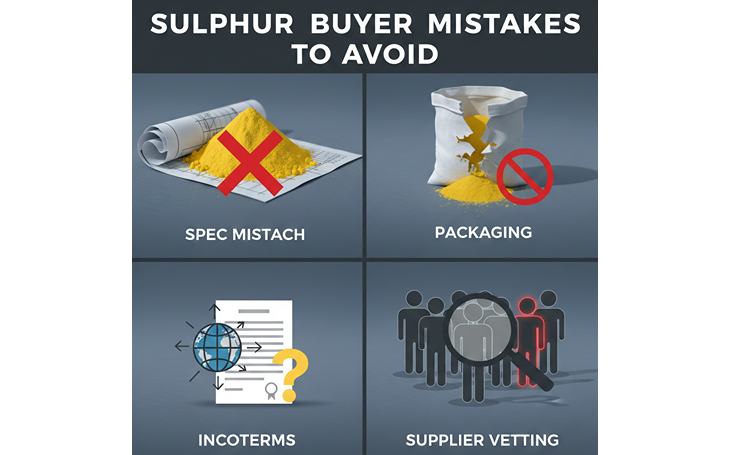
Industrial buyers often face long transport routes and strict customs checks. Derivative sulphur increases inspection risk because trace contaminants trigger rejections or re-testing. Refinery-grade product arrives with full documentation, MSDS compliance and third-party lab validation.
When the shipment is inspected at discharge, the buyer receives measurable data, not assumptions. This stability prevents disputes and protects production schedules.
Why Gsinfotechvis Works Exclusively With Raw Sulphur
Gsinfotechvis focuses on refinery sulphur because industrial clients do not want surprises. Consistent purity, reliable melting and predictable chemical performance are critical for fertilizer plants, petrochemical units and rubber manufacturers. Export operations are structured around MSDS compliance, packaging safety and verified supplier networks.
This approach reduces quality risk at every step. Buyers receive sulphur that behaves as expected in their processes rather than a blended alternative that raises cost and uncertainty.
Final Thoughts
Refinery-grade raw sulphur is not just a superior option. It is the correct tool for industrial processing. Agro or derivative sulphur has its place in farming, but factories, refineries and chemical plants need precision materials. Choosing refinery quality protects yield, lowers waste and keeps industrial performance steady.
Check us out on LinkedIn.