Why Raw Sulphur Is Essential for the Global Fertilizer Industry
The fertilizer industry depends on a steady flow of key raw materials to support global agriculture. Among these, raw sulphur stands out as one of the most essential. It may appear as a simple yellow mineral, but sulphur plays a central role in the chemistry behind modern fertilizer production. Without it, large scale food cultivation and soil enrichment would face serious limitations.
In this guide, we break down why raw sulphur is so important for fertilizer manufacturers, how it supports the production of sulphuric acid and why consistent purity matters for industrial performance.
Sulphur: The Backbone of Fertilizer Chemistry
Fertilizers help replenish soil nutrients and boost crop yields. To produce these fertilizers at scale, industries rely heavily on sulphur based compounds. The most important among them is sulphuric acid, which is produced directly from raw sulphur.
Why sulphuric acid matters
Sulphuric acid is used in:
◾ Phosphate fertilizer manufacturing
◾ Ammonium sulphate production
◾ Soil treatment formulas
◾ Various nutrient blends
It is one of the most widely used industrial chemicals in the world, and fertilizers account for a major share of its demand.
How Raw Sulphur Becomes Sulphuric Acid
Raw sulphur undergoes a simple but critical conversion process:
1. Sulphur is melted and burned in controlled systems.
2. This produces sulphur dioxide.
3. The sulphur dioxide is then converted into sulphur trioxide.
4. The sulphur trioxide reacts with water to form sulphuric acid.
This acid then serves as the primary input for making fertilizers like:
◾ DAP (Diammonium Phosphate)
◾ MAP (Monoammonium Phosphate)
◾ TSP (Triple Super Phosphate)
These fertilizers support global agriculture by improving nutrient uptake and increasing crop productivity.
Why High Purity Sulphur Is Critical
The sulphur used for fertilizer production must meet strict quality standards. Even minor impurities can interfere with chemical reactions or affect final product quality.
Key purity requirements include
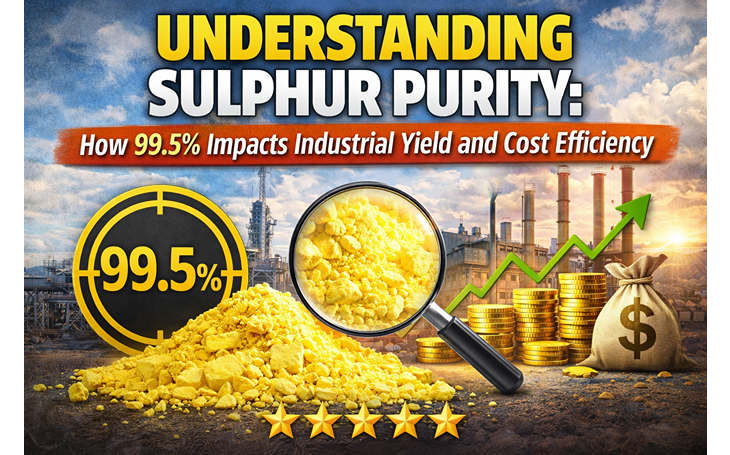
◾ Sulphur purity around 99.5 percent
◾ Low moisture content
◾ Minimal ash or contaminants
◾ Stable melting characteristics
High purity sulphur ensures cleaner reactions, fewer byproducts and more efficient acid production. Fertilizer plants operate on tight schedules and large volumes, so consistency is essential for maintaining output levels.
Why Fertilizer Manufacturers Need Reliable Sulphur Supply
The fertilizer industry is one of the largest consumers of sulphur globally. Any disruption in sulphur supply can impact agricultural production and lead to higher fertilizer prices.
Manufacturers need reliable sulphur supply because:
◾ Fertilizer plants operate continuously
◾ Sulphuric acid output must match market demand
◾ Sulphur shortages slow down phosphate processing
◾ Seasonal farming cycles require precise timing
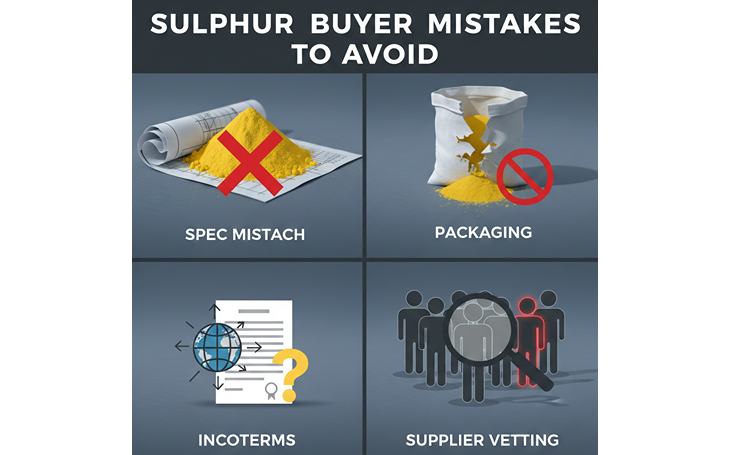
For these reasons, fertilizer producers often partner with suppliers who can deliver high purity sulphur consistently and safely.
Role of Refinery-Grade Sulphur in the Fertilizer Market
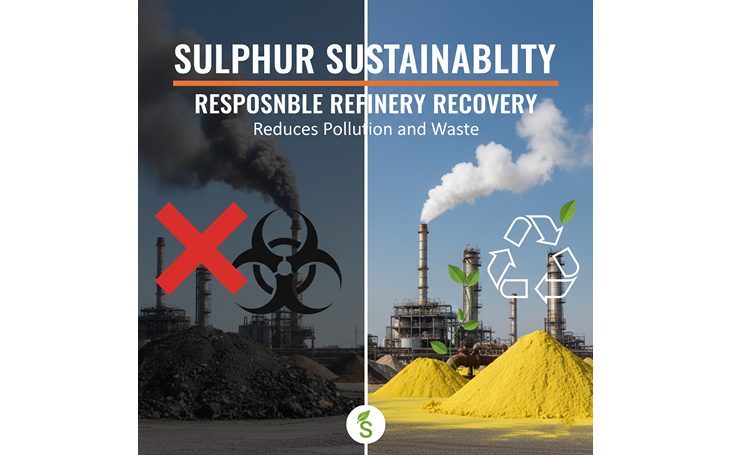
Much of the world’s raw sulphur comes from petroleum and natural gas refining. This refinery grade sulphur offers the purity and stability required for fertilizer production.
Benefits include
◾ High purity levels
◾ Predictable performance in acid plants
◾ Lower contamination risk
◾ Easy transport as granules or sulphur balls
These advantages make refinery sourced sulphur the preferred choice for fertilizer manufacturers across Asia, Europe, Africa and the Middle East.
How Reliable Suppliers Support the Industry
To keep fertilizer production stable, suppliers must manage sourcing, handling and export processes with precision. Companies like Gsinfotechvis support fertilizer manufacturers by ensuring:
◾ Verified refinery grade sourcing
◾ Quality testing through independent labs
◾ Safe packaging and storage
◾ Accurate documentation
◾ Smooth export logistics
This allows fertilizer plants to operate without disruption and maintain year round output.
Final Thoughts
Raw sulphur may seem like a simple mineral, but it drives some of the most important chemical processes in global agriculture. Its role in sulphuric acid production makes it essential for fertilizer manufacturing, soil enrichment and crop growth. As global food demand rises, reliable sulphur supply becomes even more important.
For fertilizer producers looking to maintain high output and consistent quality, sourcing pure, stable and dependable sulphur is not just a choice. It is a necessity.
Check us out on LinkedIn.