Why Coal Deals Fail at Documentation Stage and How to Avoid It
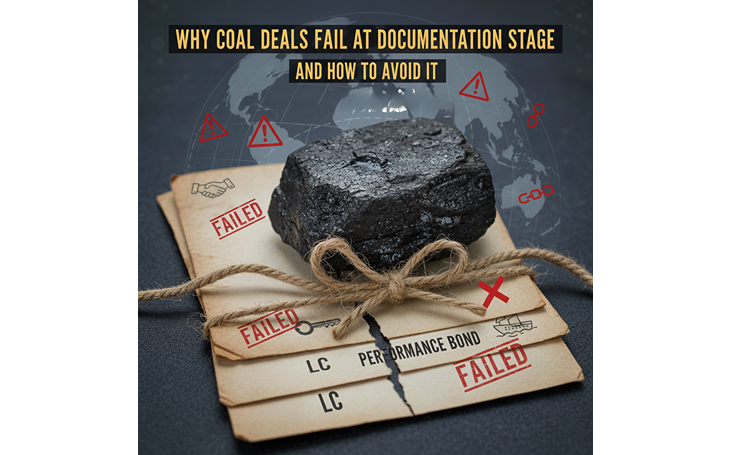
Coal trading involves complex coordination between suppliers, buyers, shipping lines, banks, and regulators. While pricing and logistics often receive the most attention, documentation remains one of the most common reasons coal deals fail. Errors or gaps in paperwork can delay shipments, block payments, and even lead to contract termination. Understanding why documentation failures occur and how to prevent them is essential for smooth coal transactions.
Why Documentation Is Critical in Coal Deals
Documentation forms the legal and operational backbone of a coal deal. It connects the commercial contract with shipping, customs, and payment processes. Banks rely on documents to release payments, customs authorities use them to assess duties, and buyers depend on them to verify quality and quantity.
If documents are incomplete, inconsistent, or inaccurate, the entire transaction can stall.
Common Reasons Coal Deals Fail at Documentation Stage
Inconsistent Contract and Shipping Documents
One frequent issue is mismatch between contract terms and shipping documents. Differences in quantity, quality specifications, or delivery terms raise red flags with banks and customs authorities.
Errors in Letters of Credit
Incorrect LC terms or failure to meet LC conditions can block payments. Even small discrepancies in document format, dates, or descriptions may result in banks rejecting documents.
Incomplete Quality and Safety Documents
Missing or inaccurate certificates such as quality reports, MSDS, or inspection certificates often lead to compliance holds. Authorities may order re testing or refuse clearance until issues are resolved.
Incorrect Customs Declarations
Errors in tariff classification, declared value, or country of origin can trigger reassessment and penalties. These issues often surface only after cargo arrival, making them costly to fix.
Poor Coordination Between Parties
Lack of communication between suppliers, inspection agencies, shipping agents, and buyers increases the risk of documentation gaps. When documents are prepared in isolation, inconsistencies are more likely.
The Cost of Documentation Failure
Documentation failures lead to delayed shipments, demurrage charges, and blocked payments. They can also damage business relationships and attract increased regulatory scrutiny on future deals.
For industries dependent on steady coal supply, such failures can disrupt production and cause significant financial loss.
How to Avoid Documentation Failures
Early Documentation Planning
Documentation should be planned at the contract stage. Quality parameters, inspection standards, and document formats must be clearly defined and agreed by all parties.
Pre Shipment Document Review
Reviewing documents before vessel departure helps identify errors early. This reduces the risk of bank rejections and customs holds.
Alignment with Compliance Requirements
Documents must meet both contractual and regulatory requirements. Understanding local import rules and aligning documents accordingly is essential.
Centralized Coordination
Having a single point of coordination for documentation reduces errors. It ensures that all parties work with the same information and standards.
How Gsinfotechvis Helps Prevent Failures
Gsinfotechvis supports coal buyers by managing documentation and compliance proactively. Their team reviews contracts, LCs, quality certificates, and shipping documents to ensure alignment.
By partnering with Gsinfotechvis, businesses can reduce documentation risk, avoid costly delays, and ensure smoother coal transactions.
Conclusion
Coal deals often fail not because of supply or price issues, but due to documentation errors. Understanding common pitfalls and adopting a structured approach to documentation can prevent costly disruptions. With expert support from
Gsinfotechvis, coal buyers and traders can strengthen documentation processes and protect their deals from avoidable failure.
Check us out on
LinkedIn.