Understanding Performance Bonds in Coal Trading: Buyer and Seller Perspective
Coal trading involves large volumes, high values, and tight delivery schedules. To manage the risks on both sides of a transaction, buyers and sellers often rely on financial safeguards. One of the most important among these is the Performance Bond, commonly referred to as a PB. Understanding how performance bonds work and why they matter is essential for companies involved in coal trading, especially in international markets.
What Is a Performance Bond in Coal Trading
A performance bond is a financial guarantee issued by a bank or financial institution on behalf of one party to a contract. It assures the other party that contractual obligations will be met as agreed. If the party providing the bond fails to perform, the beneficiary can invoke the bond to recover losses, subject to contract terms.
In coal trading, performance bonds are typically used to secure obligations related to supply quantity, quality, delivery timelines, or payment commitments.
Why Performance Bonds Are Used
Coal transactions often span several months from contract signing to final delivery and payment. During this period, market prices, logistics conditions, and regulatory factors can change. Performance bonds provide confidence that neither party will walk away from the deal without consequences.
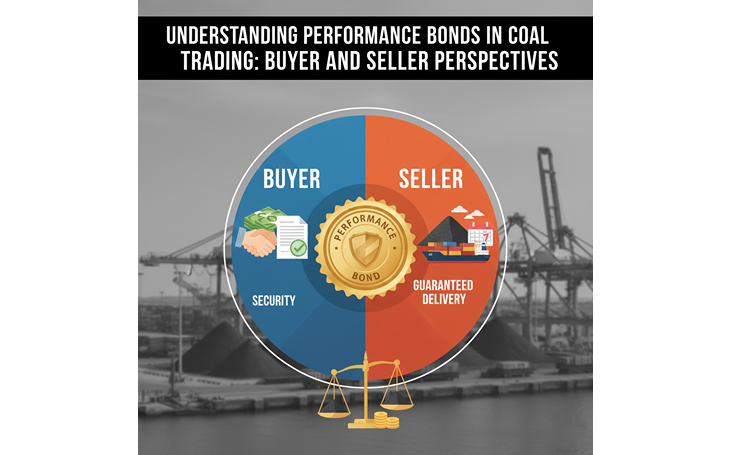
For buyers, a PB reduces the risk of non delivery or poor quality supply. For sellers, it offers assurance that buyers are serious and financially capable of honoring the contract.
Buyer Perspective on Performance Bonds
From a buyer’s point of view, performance bonds are a key risk management tool.
Buyers often require sellers to submit a PB after contract signing. This bond guarantees that the seller will deliver coal as per agreed specifications and timelines. If the seller fails to ship the cargo, delivers substandard coal, or violates key terms, the buyer can invoke the bond to cover losses such as replacement costs or production disruptions.
Performance bonds also strengthen the buyer’s negotiating position. Sellers with the ability to provide a valid PB are seen as more reliable and professional, reducing counterparty risk.
Seller Perspective on Performance Bonds
For sellers, performance bonds are both a commitment and a credibility signal.
Submitting a PB demonstrates confidence in the ability to perform the contract. It helps sellers build trust with buyers, especially in competitive or new trading relationships. In many cases, providing a PB can be the difference between winning or losing a contract.
However, sellers must carefully manage PB obligations. Failure to comply with contract terms can result in bond invocation, which affects cash flow and banking relationships. Sellers need to ensure that operational planning, logistics coordination, and compliance are aligned before issuing a PB.
Key Terms to Watch in Performance Bonds
Both buyers and sellers should pay close attention to PB clauses in coal contracts. Important aspects include bond value, validity period, invocation conditions, and governing law.
The bond amount is usually a percentage of the contract value and should reflect realistic risk exposure. The validity period must cover the entire performance window, including possible delays. Clear invocation terms reduce the risk of disputes.
Common Challenges with Performance Bonds
Disputes often arise when PB terms are vague or when documentation does not clearly support invocation or release. Delays in releasing bonds after successful performance can also strain relationships.
Lack of coordination between contract terms, shipment schedules, and compliance documentation increases these risks.
How Gsinfotechvis Adds Value
Gsinfotechvis supports coal traders by integrating performance bond management into the overall compliance and contract strategy. Their team helps review PB clauses, align them with operational realities, and ensure documentation supports both issuance and release.
By working with Gsinfotechvis, buyers and sellers can reduce financial risk, avoid disputes, and maintain smoother coal trading operations.
Conclusion
Performance bonds play a critical role in coal trading by protecting both buyers and sellers from non performance risks. When structured correctly and managed proactively, they build trust, improve deal security, and support long term partnerships. With expert guidance from
Gsinfotechvis, companies can use performance bonds as a strength rather than a source of conflict in coal trading.
Check us out on
LinkedIn.