Sulphur in Lithium Batteries and Energy Storage: The Next Industrial Breakthrough
Lithium ion batteries have powered the modern world. They run smartphones, electric cars, drones, solar backup systems and even grid infrastructure. But the industry knows a tipping point is coming. Lithium ion is reaching its physical limits, especially in energy density and life cycle economics. The next leap forward may come from sulphur. Lithium sulphur batteries, often called Li S batteries, are being tested by researchers, startups and major automotive players. They promise lighter weight, higher energy storage and lower material cost.
This emerging technology is not simply a replacement. It is a redesign of how we think about battery chemistry.
This emerging technology is not simply a replacement. It is a redesign of how we think about battery chemistry.
Why sulphur changes the game
Most lithium ion batteries rely on expensive and difficult to source metals. Nickel, cobalt and manganese drive up manufacturing cost and environmental burden. Sulphur, on the other hand, is abundant, easily processed and already mass produced through refinery desulfurization. Its chemical characteristics allow higher theoretical capacity than conventional cathode materials.
Lithium sulphur batteries can theoretically reach five times the energy density of conventional lithium ion cells. That means a lighter battery storing more power. For electric vehicles, industrial machines or renewable storage banks, this translates into longer range, lighter chassis and improved cost performance.
Most lithium ion batteries rely on expensive and difficult to source metals. Nickel, cobalt and manganese drive up manufacturing cost and environmental burden. Sulphur, on the other hand, is abundant, easily processed and already mass produced through refinery desulfurization. Its chemical characteristics allow higher theoretical capacity than conventional cathode materials.
Lithium sulphur batteries can theoretically reach five times the energy density of conventional lithium ion cells. That means a lighter battery storing more power. For electric vehicles, industrial machines or renewable storage banks, this translates into longer range, lighter chassis and improved cost performance.
Inside the Li S chemistry
Lithium sulphur batteries work differently from lithium ion. They rely on a lithium metal anode and a sulphur based cathode. When the battery discharges, lithium ions react with sulphur to produce lithium sulphides. During charging, this reaction reverses and sulphur is reformed.
This cycling process allows high capacity, but it also introduces challenges. One issue is the formation of polysulphides. These compounds dissolve into the electrolyte and reduce the lifetime of the cell. Researchers are working on solid state electrolytes, protected anodes and better cathode structures to control these effects. The direction is promising. Every year prototypes show better stability, longer cycles and faster charge rates.
Lithium sulphur batteries work differently from lithium ion. They rely on a lithium metal anode and a sulphur based cathode. When the battery discharges, lithium ions react with sulphur to produce lithium sulphides. During charging, this reaction reverses and sulphur is reformed.
This cycling process allows high capacity, but it also introduces challenges. One issue is the formation of polysulphides. These compounds dissolve into the electrolyte and reduce the lifetime of the cell. Researchers are working on solid state electrolytes, protected anodes and better cathode structures to control these effects. The direction is promising. Every year prototypes show better stability, longer cycles and faster charge rates.
Who benefits from sulphur batteries
Lithium sulphur storage has several major advantages that appeal to industries looking for scale or mobility.
◾ Lighter weight battery packs, improving efficiency
◾ Cheaper cathode material, lowering manufacturing cost
◾ Reduced reliance on cobalt and nickel supply chains
◾ Better sustainability profile from widely available sulphur
These traits make Li S batteries attractive for electric trucks, drones, military equipment and renewable power banks. They also have potential in grid scale backup, where weight matters less but cost and safety matter more.
Lithium sulphur storage has several major advantages that appeal to industries looking for scale or mobility.
Key benefits:
◾ Higher gravimetric energy density, ideal for aviation and automotive
◾ Lighter weight battery packs, improving efficiency
◾ Cheaper cathode material, lowering manufacturing cost
◾ Reduced reliance on cobalt and nickel supply chains
◾ Better sustainability profile from widely available sulphur
These traits make Li S batteries attractive for electric trucks, drones, military equipment and renewable power banks. They also have potential in grid scale backup, where weight matters less but cost and safety matter more.
The coming demand wave
Battery manufacturers already consume large amounts of lithium, cobalt and nickel. When sulphur based cathodes mature, the demand for raw sulphur will shift. What is now a fertilizer and chemical commodity will gain a new high value customer base. Even small penetration into automotive markets would move millions of tonnes of sulphur.
2. Premium electric vehicles and industrial fleets
3. Mass consumer EV and stationary storage systems
Once phase three arrives, sulphur becomes a strategic energy commodity. This is why forward looking buyers are exploring refinery grade sulphur supply today rather than waiting.
Battery manufacturers already consume large amounts of lithium, cobalt and nickel. When sulphur based cathodes mature, the demand for raw sulphur will shift. What is now a fertilizer and chemical commodity will gain a new high value customer base. Even small penetration into automotive markets would move millions of tonnes of sulphur.
Analysts expect three demand phases:
1. Pilot and aerospace applications
2. Premium electric vehicles and industrial fleets
3. Mass consumer EV and stationary storage systems
Once phase three arrives, sulphur becomes a strategic energy commodity. This is why forward looking buyers are exploring refinery grade sulphur supply today rather than waiting.
Potential barriers
Like every breakthrough, lithium sulphur must solve a few technical hurdles. Cycle life, temperature performance and cathode swelling still require engineering innovation. Safety is also a priority. Lithium metal anodes must be stabilized to prevent dendrite growth, which can cause short circuits.
Despite these challenges, progress is steady. Energy companies are investing because the rewards are too large to ignore. Entire fleets of heavy electric transport could run on packs half the weight of current batteries.
Like every breakthrough, lithium sulphur must solve a few technical hurdles. Cycle life, temperature performance and cathode swelling still require engineering innovation. Safety is also a priority. Lithium metal anodes must be stabilized to prevent dendrite growth, which can cause short circuits.
Despite these challenges, progress is steady. Energy companies are investing because the rewards are too large to ignore. Entire fleets of heavy electric transport could run on packs half the weight of current batteries.
Why sourcing quality sulphur matters
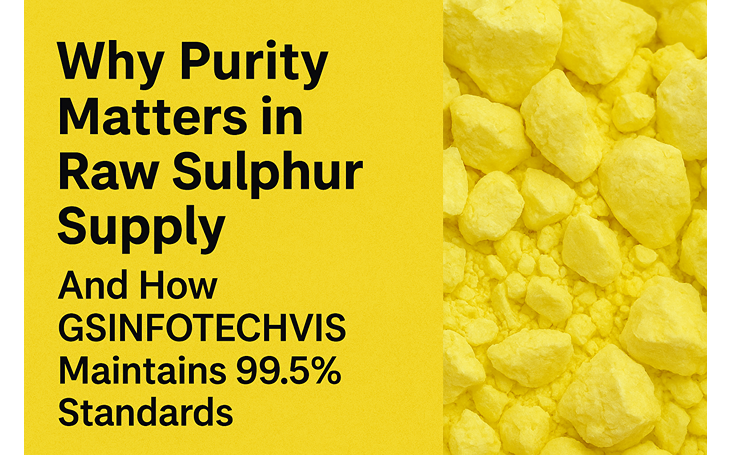
Battery grade sulphur will follow the standards we see in fertilizer and petrochemical feedstock. Purity, moisture levels and contamination risk will matter. Particle consistency will also influence manufacturing efficiency. Not all sulphur is suitable for advanced cathode applications. Large industrial users will prefer refinery grade sulphur with documented quality and reliable logistics.
This is where supply partners step in. Secure, high quality sulphur at scale becomes a foundation for research, pilot lines and later commercial deployment.
Battery grade sulphur will follow the standards we see in fertilizer and petrochemical feedstock. Purity, moisture levels and contamination risk will matter. Particle consistency will also influence manufacturing efficiency. Not all sulphur is suitable for advanced cathode applications. Large industrial users will prefer refinery grade sulphur with documented quality and reliable logistics.
This is where supply partners step in. Secure, high quality sulphur at scale becomes a foundation for research, pilot lines and later commercial deployment.
Gsinfotechvis Pvt Ltd and the future of sulphur in energy
Gsinfotechvis Pvt Ltd understands that sulphur is evolving beyond traditional markets. The company sources refinery grade raw sulphur from trusted producers with predictable output and strict compliance. This helps research labs, fertilizer plants and industrial manufacturers build roadmaps without worrying about inconsistent feedstock.
◾ Packaging options reduce storage loss
◾ Documentation and inspection simplify customs clearance
◾ Long term supply planning protects against volatility
As lithium sulphur technology grows, buyers will need partners who think ahead. If your business is exploring sulphur for energy or advanced material applications, Gsinfotechvis Pvt Ltd can help you prepare for the future.
Check us out on LinkedIn.
Gsinfotechvis Pvt Ltd understands that sulphur is evolving beyond traditional markets. The company sources refinery grade raw sulphur from trusted producers with predictable output and strict compliance. This helps research labs, fertilizer plants and industrial manufacturers build roadmaps without worrying about inconsistent feedstock.
Clients choose Gsinfotechvis Pvt Ltd because:
◾ Purity levels support chemical and industrial conversion
◾ Packaging options reduce storage loss
◾ Documentation and inspection simplify customs clearance
◾ Long term supply planning protects against volatility
As lithium sulphur technology grows, buyers will need partners who think ahead. If your business is exploring sulphur for energy or advanced material applications, Gsinfotechvis Pvt Ltd can help you prepare for the future.
Check us out on LinkedIn.