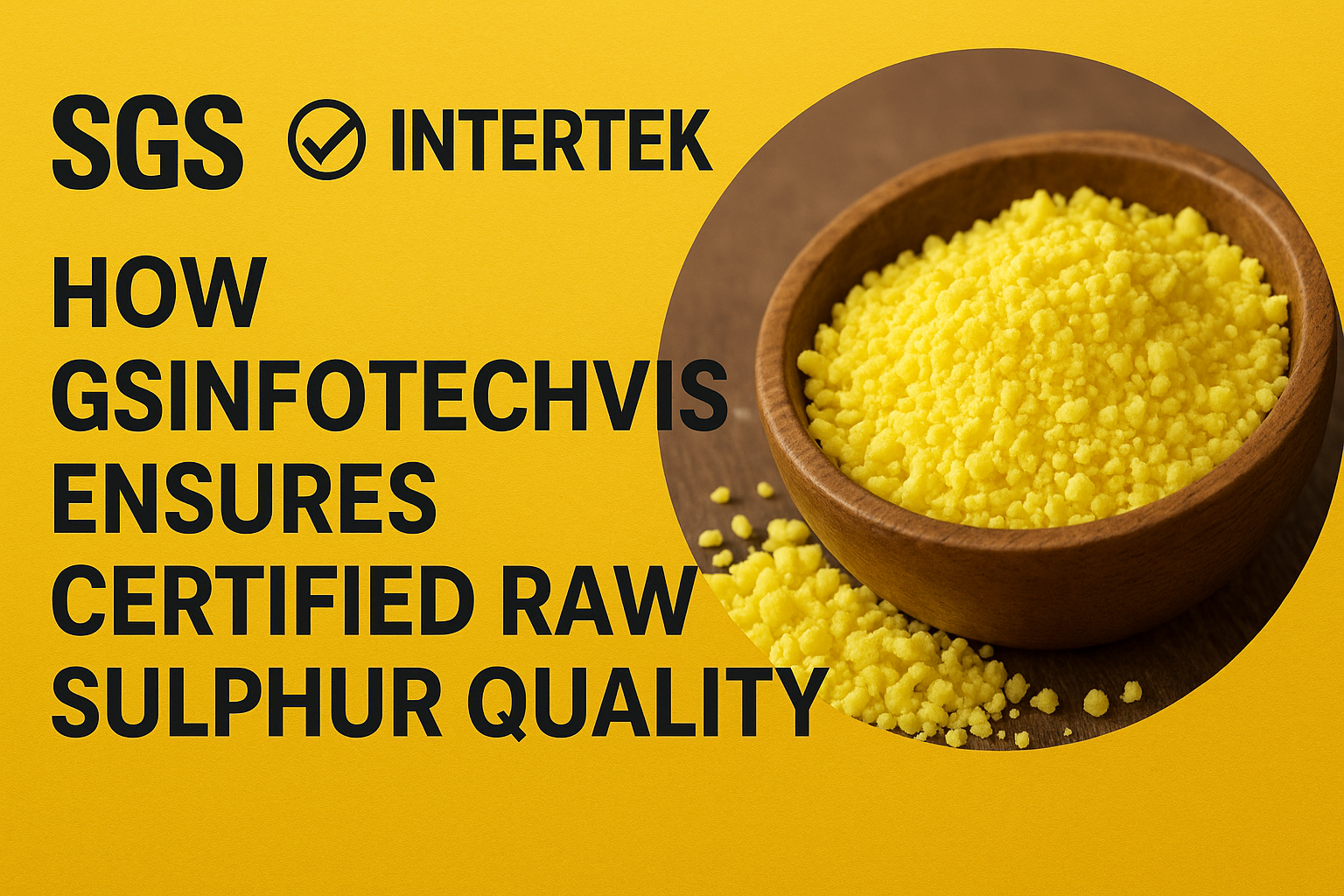
SGS and Intertek Testing: How Gsinfotechvis Ensures Certified Raw Sulphur Quality
For industries that depend on raw sulphur, quality is not optional. Fertilizer manufacturers, chemical processors and industrial plants need sulphur that meets strict purity standards, flows consistently and behaves predictably in their systems. Even a small impurity can disrupt reactions, reduce efficiency or impact final product quality.
To maintain these standards, Gsinfotechvis relies on internationally recognized third party testing agencies such as SGS and Intertek. These independent inspections verify quality, confirm specifications and ensure that each shipment meets the technical requirements of industrial buyers.
This guide explains how Q and Q inspections, lab testing and certification processes protect sulphur quality throughout the supply chain.
Why Third Party Testing Matters in Sulphur Supply
Raw sulphur may come from refinery units with high purity, but variations can occur during extraction, processing, transport or storage. Independent inspections help eliminate uncertainty and provide buyers with trustworthy documentation.
Third party testing supports:
◾ Accurate purity measurement
◾ Verification of moisture and ash levels
◾ Reliable particle size evaluation
◾ Confidence in batch consistency
◾ Transparent trade between buyer and seller
For global sulphur shipments, certified testing is essential to maintain quality control.
What Q and Q Inspection Means
Q and Q stands for Quality and Quantity inspection. Before sulphur is loaded for export, agencies like SGS or Intertek conduct thorough checks to confirm:
◾ Chemical composition
◾ Purity percentage
◾ Moisture content
◾ Ash levels
◾ Oil residue
◾ Particle size (especially for sulphur balls or granules)
◾ Total weight and volume
These checks ensure that the sulphur meets the specifications stated in the sales contract. It also protects both parties from disputes at the destination port.
SGS and Intertek: Trusted Global Laboratories
SGS
SGS is one of the world’s largest testing and certification companies. It provides detailed sulphur analysis using advanced laboratory methods, ensuring accuracy and repeatability.
Intertek
Intertek offers chemical testing, material verification and cargo inspection services. Its labs specialize in petroleum derived sulphur and bulk commodity analysis.
Both agencies follow international standards, which strengthens buyer confidence and ensures smooth customs and port clearance.
Key Tests Conducted on Raw Sulphur
Third party agencies run multiple tests to verify sulphur quality.
1. Purity Verification
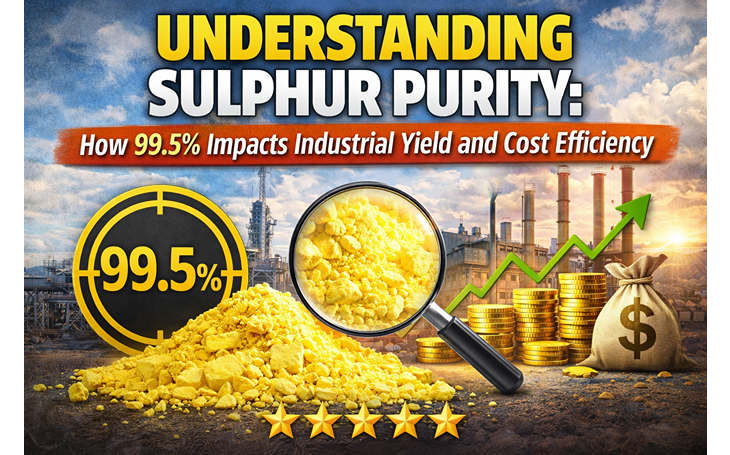
Most industrial applications require sulphur with 99.5 percent purity or higher. Labs verify the exact purity level to ensure compliance.
2. Moisture Content
Excess moisture affects sulphur melting behaviour and chemical reactions. Testing ensures moisture stays within defined limits.
3. Ash and Impurity Levels
Ash content must remain low to avoid contamination during sulphuric acid production or fertilizer processing.
4. Particle Size and Shape
For sulphur balls or granules, uniform size improves handling, melting and bulk flow.
5. Oil and Hydrocarbon Residue
Refinery grade sulphur may contain traces of hydrocarbons, and labs verify acceptable levels.
Each test is documented and provided to buyers as part of the quality certificate.
How Gsinfotechvis Uses Testing to Guarantee Quality
While this article focuses on education, understanding how organized suppliers manage quality gives buyers a clearer picture of the process.
Gsinfotechvis ensures certified sulphur quality through:
Verified Supplier Screening
Only refinery grade producers with strong performance records are selected.
Mandatory Pre Shipment Inspection
No shipment is approved without Q and Q testing through SGS or Intertek.
Shared Lab Reports
Buyers receive detailed COAs (Certificates of Analysis) to confirm grade, purity and physical condition.
On Ground Loading Supervision
Teams monitor loading to prevent contamination or moisture exposure.
Transparency in Documentation
All reports and certificates accompany the shipment, ensuring smooth customs clearance.
This approach helps eliminate uncertainty and supports industries that require precise, high purity sulphur for their operations.
Why Certified Sulphur Helps Industrial Buyers
Certified sulphur provides peace of mind for industries that depend on stable chemical performance.
Benefits include:
◾ Fewer production issues
◾ Consistent reaction output
◾ Reduced contamination risks
◾ Trustworthy sourcing records
◾ Better compliance with safety standards
Certified testing also reduces the chance of disputes and delays at discharge ports.
Final Thoughts
Quality is the foundation of sulphur supply, and independent testing ensures that every batch meets the expectations of industrial users. With SGS and Intertek verifying purity, moisture levels and physical characteristics, buyers receive sulphur that performs reliably in fertilizer production, chemical processes and other applications.
By integrating third party inspections into its supply chain, Gsinfotechvis helps clients access consistent, certified and high purity sulphur with confidence.
Check us out on LinkedIn.