How to Choose a Reliable Raw Sulphur Supplier: Key Factors for Manufacturers and Exporters
Raw sulphur is a critical input for fertilizer producers, chemical manufacturers, rubber processors and metal refineries. Since industrial operations rely on consistent purity and uninterrupted supply, choosing the right sulphur supplier becomes a strategic decision. A good supplier ensures reliable sourcing, strong safety compliance and transparent quality checks. A poor choice, on the other hand, can lead to delays, impurities, and operational disruptions.
This guide explains the essential factors manufacturers and exporters should look for when selecting a raw sulphur supplier. It also highlights how structured sourcing and vetting practices, such as those followed by Gsinfotechvis, help buyers secure stable, high quality supply.
1. Verify Supplier Legitimacy and Track Record
Not all sulphur suppliers follow the same standards. Before partnering with any supplier, buyers should review their history and credibility.
Key questions to ask:
◾ How long has the supplier been in the sulphur trade?
◾ Are they connected with reliable refinery producers?
◾ Do they provide complete documentation and transparent communication?
◾ Can they manage international shipments?
A reliable supplier will have a strong network, proven performance and clear records of past shipments.
2. Confirm Refinery Grade Sourcing
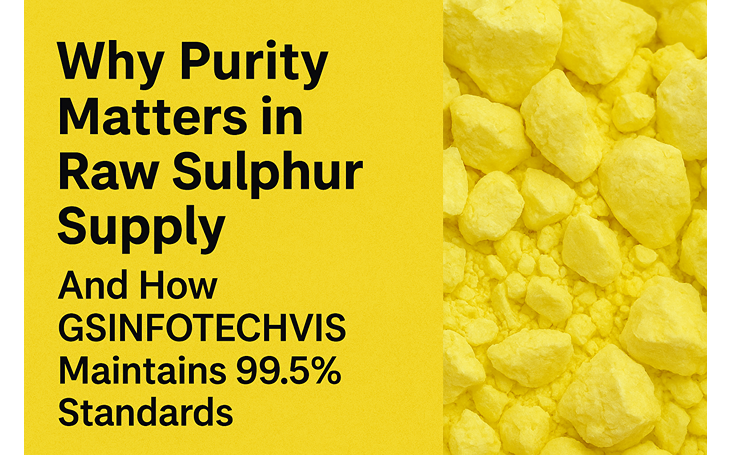
High purity sulphur generally comes from refinery units rather than unverified mining sources. Refinery grade sulphur usually maintains purity levels around 99.5 percent, making it suitable for fertilizer, chemical and industrial use.
What to look for:
◾ Direct links to refinery producers
◾ Clear sourcing certificates
◾ Documented quality consistency
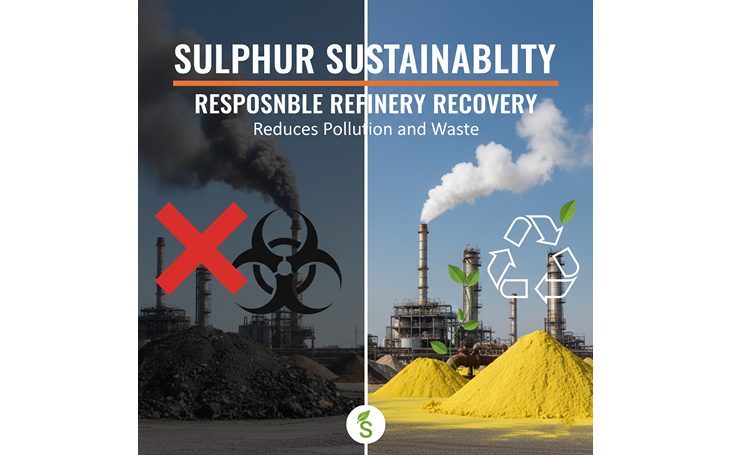
◾ Evidence of sustainable extraction practices
Gsinfotechvis, for example, works only with verified refineries that maintain consistent output and follow strict quality norms.
3. Check for Third Party Testing and Quality Assurance
Independent laboratory testing is one of the strongest indicators of a credible supplier. It ensures the sulphur meets purity and safety requirements before being shipped.
Ask the supplier:
◾ Do they use SGS, Intertek or other trusted agencies for Q and Q checks?
◾ Is a Certificate of Analysis (COA) shared before shipment?
◾ Are testing methods aligned with industry standards?
A supplier who provides third party verification shows commitment to transparency and quality.
4. Evaluate Compliance and Safety Standards
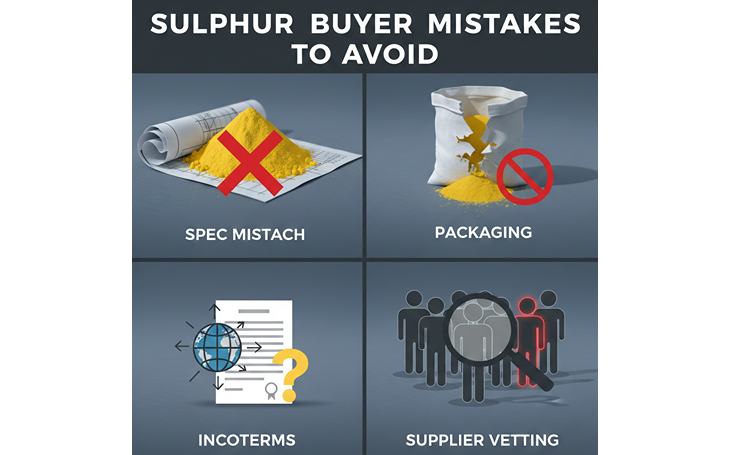
Sulphur is categorized as a hazardous material under UN Class 4.1. This means suppliers must follow strict rules for packaging, labelling and export.
Key compliance indicators:
◾ MSDS availability
◾ GHS compliant labels
◾ IMDG declarations for marine transport
◾ Proper jumbo bag or container packaging
◾ Verified stowage procedures
Suppliers like Gsinfotechvis follow global safety rules to ensure that sulphur moves safely through ports and logistics channels.
5. Assess Logistics Capability and On Time Delivery
Industrial buyers cannot afford delays. A supplier’s logistics strength plays a major role in ensuring timely delivery.
Look for suppliers who offer:
◾ Advance vessel scheduling
◾ Real time shipment updates
◾ Strong coordination with warehouses and ports
◾ Clean loading facilities
◾ Efficient customs documentation
Suppliers with a structured logistics system help avoid demurrage, delays and disruptions in production.
6. Review Communication and Documentation Quality
Clear communication prevents misunderstandings and ensures smooth transactions.
Reliable suppliers provide:
◾ Transparent contract terms
◾ Complete export documentation
◾ Fast response times
◾ Regular shipment updates
◾ Accurate information for planning
Gsinfotechvis emphasizes clear coordination and transparent documentation to support buyers at every stage.
7. Evaluate Consistency Over One Time Performance
Some suppliers deliver well in the first shipment but fail to maintain standards over time. Long term consistency is far more important than isolated success.
Focus on:
◾ Repeat shipment quality
◾ Steady supply volume
◾ Reliable packaging standards
◾ Consistent purity levels
A dependable supplier maintains the same level of performance for every batch.
Final Thoughts
Choosing a raw sulphur supplier requires careful evaluation of sourcing credibility, quality assurance, compliance standards and logistics capacity. Manufacturers and exporters benefit most from suppliers who maintain refinery grade purity, follow third party testing, provide complete documentation and offer dependable delivery.
By combining verified sourcing networks with safety compliant processes and clear communication, Gsinfotechvis supports buyers with reliable, high purity sulphur that fits the needs of modern industrial operations.
Check us out on LinkedIn.