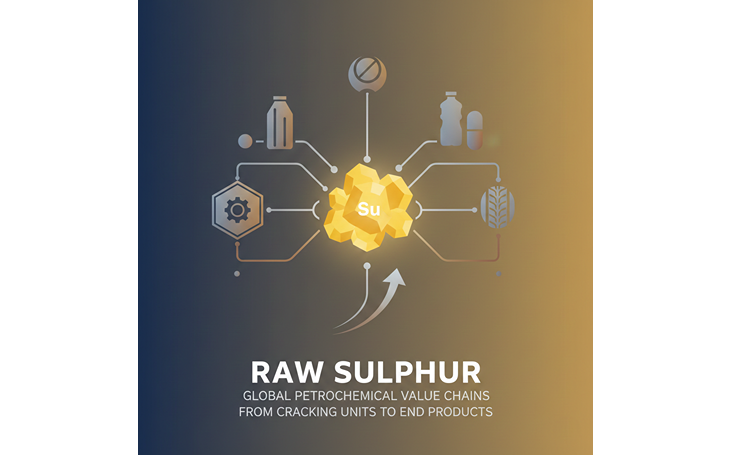
How Raw Sulphur Drives Global Petrochemical Value Chains: From Cracking Units to End Products
Raw sulphur is often seen as a simple yellow mineral, but in modern industry it is a strategic building block. The petrochemical sector relies on sulphur more than most people realize. From petroleum refining to fertilizers, rubber, plastics, and cleaning agents, sulphur sits at the very start of many value chains. Understanding how it is formed, extracted, and eventually transformed helps buyers see why purity matters and why quality sourcing is essential.
Where Raw Sulphur Comes From
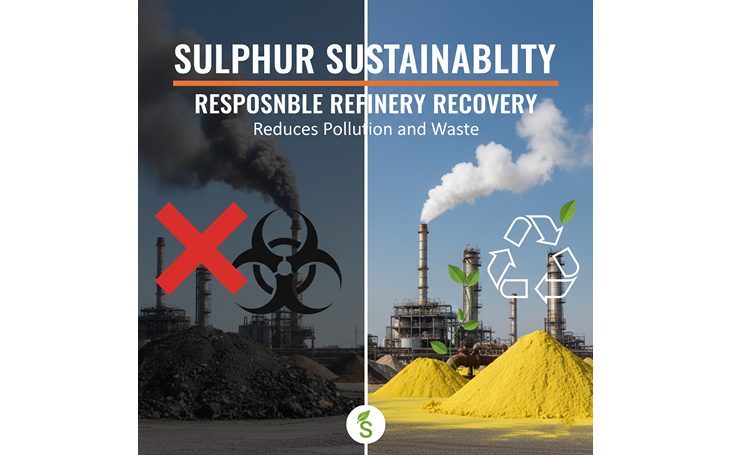
Most global supply comes from refineries. When crude oil is processed, the first step is to remove impurities such as nitrogen, metals and sulphur. This process protects downstream equipment and allows fuels to meet environmental standards. Hydrogenation units convert sulphur compounds into hydrogen sulfide gas. Refinery recovery plants then convert that gas into solid sulphur.
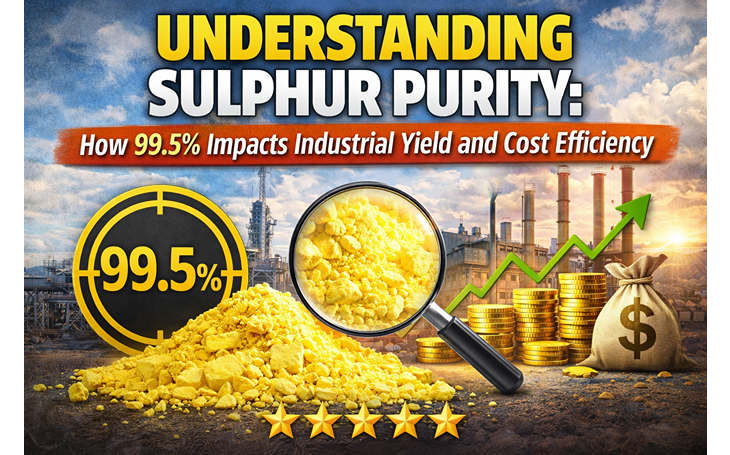
This is not mined sulphur. It is high purity material produced in controlled industrial environments. That consistency is the reason industries prefer refinery sulphur to naturally mined sulphur. Typical purity levels start around 99.5 percent, making it ideal for bulk chemical production.
What Petrochemical Plants Do With Sulphur
Once it leaves the refinery, sulphur enters the petrochemical value chain. The first major transformation is sulphuric acid production. More than 90 percent of global sulphur is turned into sulphuric acid through a controlled combustion and catalytic process. Sulphur is burned into sulphur dioxide, then oxidized and absorbed in water to create acid.
Sulphuric acid is not an end product. It is a cornerstone intermediate. Fertilizer plants use it to produce ammonium phosphate and other nutrient rich compounds. Rubber manufacturers rely on it in the development of vulcanization chemicals. Metal processing, textiles, pigments, detergents and batteries all use chemical intermediates based on sulphuric acid.
A single refinery grade sulphur shipment can eventually touch dozens of industries after it reaches the chemical sector. This wide reach is why sulphur supply chains need reliability and strict safety standards.
Why Purity Matters
In industrial chemistry, impurities are expensive. Small contamination can affect reaction stability, lead to process interruptions and increase refining costs. Petrochemical plants target repeatable reactions because their outputs are high volume. When sulphur purity drops, fertilizer conversion yields decrease and rubber vulcanization becomes inconsistent. Contaminants also increase waste and energy consumption.
High purity sulphur also improves logistics. Sulphur balls, for example, flow well, resist dusting and are easier to load into bulk containers. They have uniform physical properties that reduce handling risks at ports and storage yards. Many large fertilizer producers prefer spherical sulphur for this reason.
The cost of low grade product is rarely limited to the purchase price. Unplanned downtime, corrosion and quality failures can be much more expensive than sourcing from a verified supplier.
The Global Demand Cycle
Sulphur demand moves with the health of the petrochemical industry. When fertilizer production rises, sulphur prices often follow. When crude oil processing slows, refinery sulphur availability can tighten. This is because sulphur supply depends on refinery throughput levels. Strong oil markets and fuel consumption often create more sulphur. Weak markets reduce refinery runs and shrink supply.
This dynamic makes sulphur trade different from metals or agricultural commodities. It is not mined in fixed deposits. It is a byproduct of fuel transformation. Traders and industrial buyers need to understand both energy markets and downstream chemical cycles.
The Value of Reliable Supply Partners
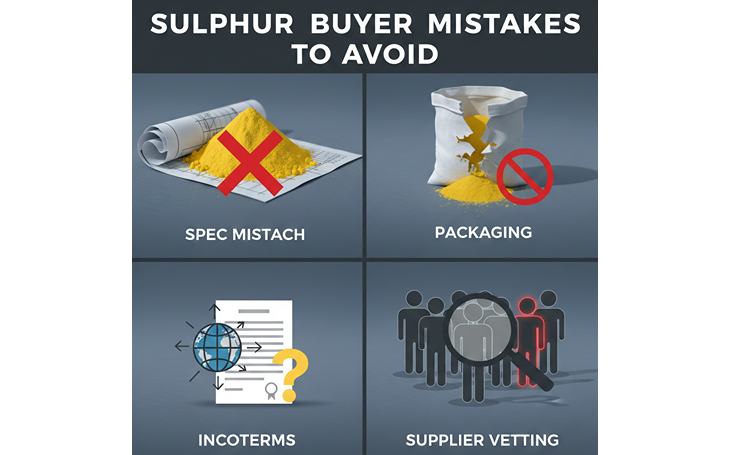
Global trade introduces real risks for petrochemical buyers. Shipping delays, demurrage charges and purity disputes can disrupt manufacturing schedules. Reliable supply partners focus on verification, testing and compliance. Third party inspections, MSDS documentation and adherence to maritime safety regulations protect buyers and ensure safe handling. Packaging selection, port coordination and quality checks are not afterthoughts. They are essential parts of the sulphur journey.
Companies that specialize in sulphur export take responsibility for navigating these stages. They work with pre vetted refinery suppliers, manage logistics, and ensure product documentation is accurate. For industries that depend on predictable inputs, this ecosystem saves time and prevents operational setbacks.
Final Thoughts
Raw sulphur may look simple, but it powers one of the most complex industrial networks in the world. From refinery cracking units to fertilizer plants and rubber factories, sulphur drives value far beyond its origin. High purity, verified sourcing, and careful logistics keep this chain moving. For buyers in the petrochemical sector, understanding these factors makes procurement smarter, safer, and more profitable. Get more insights on Gsinfotechvis.
Check us out on LinkedIn.