How Gsinfotechvis Uses SGS / Intertek Verification to Protect Buyers from Quality Risk
Quality surprises in inbound raw sulphur can halt production and raise costs. That is why independent testing matters. Gsinfotechvis relies on trusted third party labs like SGS and Intertek to confirm product specifications before shipment. Below is a clear, step-by-step look at what happens and why it protects buyers.
1. Pre-shipment planning and documentation
Before any sample is taken, Gsinfotechvis prepares documentation. This includes product specifications, MSDS, packing details and the agreed test parameters. Clear paperwork ensures both the inspector and the buyer know exactly what will be checked. It reduces confusion at the port and speeds up inspection.
2. Representative sampling at origin
Accurate testing begins with correct sampling. The inspector gathers samples from multiple points in the stockpile or loading hopper. Samples are taken in a way that represents the entire shipment, not just the top layer. Each sample is sealed, labeled and given a unique chain of custody number. This prevents tampering and links results to the exact cargo batch.
3. Visual and physical checks
Before lab analysis, the inspector performs a quick physical evaluation. They note colour, granularity and any visible contamination or moisture. Packaging is examined for damage and proper labelling. These on-site checks often catch handling issues that lab tests alone would not reveal.
4. Moisture assessment
Moisture content is a key metric for sulphur. Excess moisture can cause clumping, weight variability and storage headaches. The inspector measures moisture using standard laboratory methods. Results help buyers plan storage and handling and estimate how much usable sulphur they will receive after drying or processing.
5. Sulphur percent validation
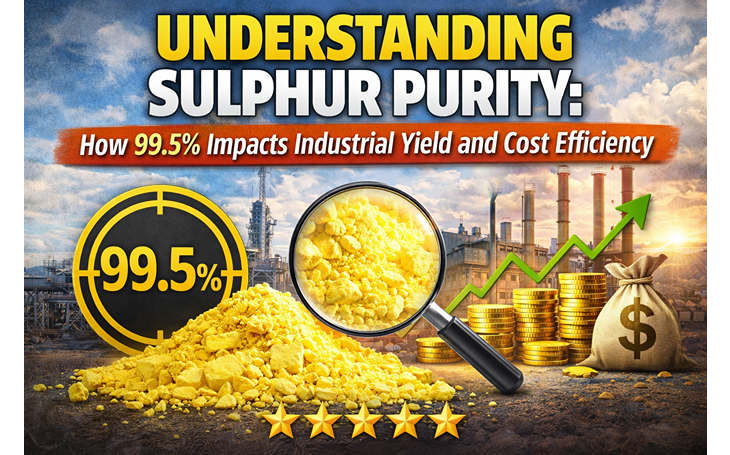
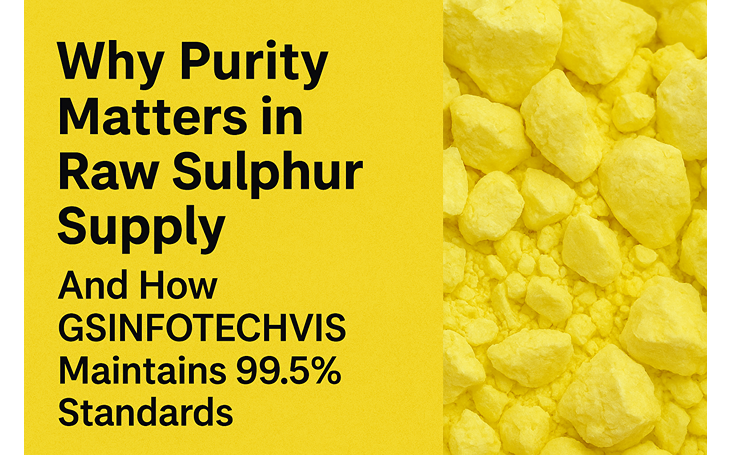
The central test for buyers is the actual sulphur concentration. Laboratories determine the percentage of elemental sulphur through chemical analysis. High purity refinery sulphur typically reads near 99.5 percent. The lab report shows the exact figure and flags trace impurities that could affect downstream processes.
6. ICP testing for trace elements
Inductively Coupled Plasma, or ICP testing, identifies trace metals and contaminants. Elements such as iron, lead or heavy metals can disrupt chemical reactions, corrode equipment and lower product yields. ICP provides a detailed fingerprint of the sample. This information is vital for industries with tight purity requirements like fertilizers and rubber processing.
7. Ash and residue analysis
Ash content and non-combustible residues are measured to assess how much inert material is present. High ash increases waste disposal costs and can affect furnace performance. The lab quantifies ash so buyers can calculate processing adjustments and true material value.
8. Third party certificate and report delivery
Once tests are complete, SGS or Intertek issues a formal certificate and full lab report. These documents include test methods, raw data and certified values. Gsinfotechvis shares these reports with buyers before shipment clears the port. That transparency reduces disputes and supports smooth customs clearance.
9. Corrective actions when results vary
If a test shows values outside agreed limits, Gsinfotechvis coordinates corrective steps. Options include re-sampling, blending, or replacing the cargo. Any corrective action is documented and approved by both buyer and inspector. This protects buyers from unexpected quality shortfalls.
10. Ongoing quality partnerships
Verified testing is not a one-off activity. Gsinfotechvis builds ongoing relationships with trusted labs and monitored suppliers. Regular inspections, consistent documentation and open communication keep quality risks low and order predictability high.
Final Thoughts
Independent verification is more than a compliance checkbox. It is a practical tool that saves time and money. For buyers of raw sulphur, SGS and Intertek certification means fewer surprises, fewer production interruptions and clearer pricing based on real product value. Quality verified up front keeps factories running and supply chains calm.
Check us out on LinkedIn.