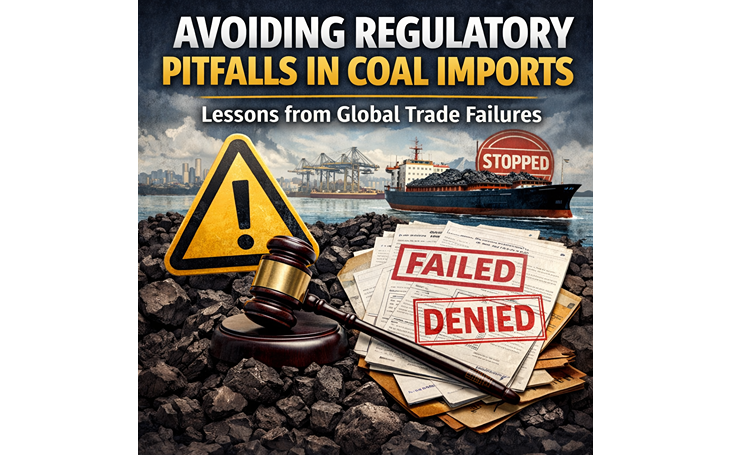
Avoiding Regulatory Pitfalls in Coal Imports: Lessons from Global Trade Failures
Coal imports are a critical part of the energy and industrial supply chain for many countries, including India. Power plants, steel manufacturers, and cement producers depend on imported coal to maintain stable operations. However, global trade history shows that regulatory failures in coal imports can lead to severe financial losses, shipment seizures, and long term reputational damage. Learning from these failures helps businesses avoid costly mistakes and build resilient import strategies.
Why Coal Import Regulations Are Getting Stricter
Coal is a sensitive commodity due to its environmental impact, safety risks, and role in national energy security. Governments worldwide have strengthened regulations covering quality standards, environmental compliance, customs valuation, and trade transparency. Importing countries now demand accurate documentation, verified quality reports, and clear audit trails for payments and logistics.
Many global trade failures have occurred not because of supply shortages, but due to poor understanding of regulatory requirements. This makes compliance a business priority, not just a legal obligation.
Common Regulatory Pitfalls in Global Coal Trade
Incorrect Quality Declarations
One of the most frequent causes of import failure is mismatch between declared coal quality and actual test results. In several global cases, shipments were delayed or rejected after port testing showed lower calorific value or higher ash content than declared. These discrepancies led to duty reassessment, penalties, and demurrage costs.
Incomplete or Inconsistent Documentation
Missing or inconsistent documents such as MSDS, certificates of analysis, or inspection reports have caused cargo holds at ports across Asia and Europe. Even small errors in invoice values or shipment descriptions can trigger inspections and prolonged clearance delays.
Ignoring Environmental and Safety Rules
Some global traders have faced shutdowns and fines due to non compliance with environmental or safety regulations. Improper coal handling, storage violations, and failure to meet emission norms have resulted in legal action and loss of operating licenses.
Sanctions and Restricted Counterparties
Trade failures have also occurred due to imports from sanctioned regions or dealings with restricted entities. In such cases, payments were frozen and cargo was seized, causing major financial losses. These incidents highlight the importance of supplier due diligence and sanctions screening.
Key Lessons for Indian Coal Importers
Proactive Compliance Planning
Successful importers build compliance into procurement planning. Verifying quality parameters, documentation, and regulatory requirements before shipment reduces the risk of disputes at ports.
Strong Supplier Verification
Global failures show that relying blindly on overseas suppliers is risky. Importers must independently verify supplier credentials, quality practices, and compliance history.
Accurate and Consistent Documentation
All import documents should align in terms of quality, quantity, and value. Consistency across contracts, invoices, inspection reports, and customs declarations is critical for smooth clearance.
Audit Readiness
Maintaining clear records and audit trails allows companies to respond quickly to regulatory queries. Audit ready businesses face fewer disruptions and enjoy better credibility with authorities.
How Gsinfotechvis Helps Prevent Regulatory Failures
Gsinfotechvis supports coal importers by helping them identify and address compliance risks before they turn into costly problems. Their services include documentation review, regulatory advisory, quality verification coordination, and audit readiness support.
By working with Gsinfotechvis, businesses gain clarity on import regulations and reduce exposure to legal and financial risks. Their practical approach helps importers avoid the mistakes that have caused global trade failures.
Conclusion
Global coal trade failures offer clear lessons. Regulatory pitfalls often arise from poor documentation, weak supplier checks, and reactive compliance. Indian coal importers can protect their operations by adopting a proactive, compliance focused approach. With expert support from Gsinfotechvis, businesses can navigate complex regulations, avoid costly disruptions, and build a reliable and compliant coal import supply chain.
Check us on LinkedIn.