Cloud based HR systems at the forefront of HR transformation
HR managers consider technology the key to winning the talent war. The pandemic has caused a remarkable change in how we work and communicate, and virtual collaboration has become the norm. This rapid shift in working models means traditional HR solutions are no longer sufficient and must evolve.
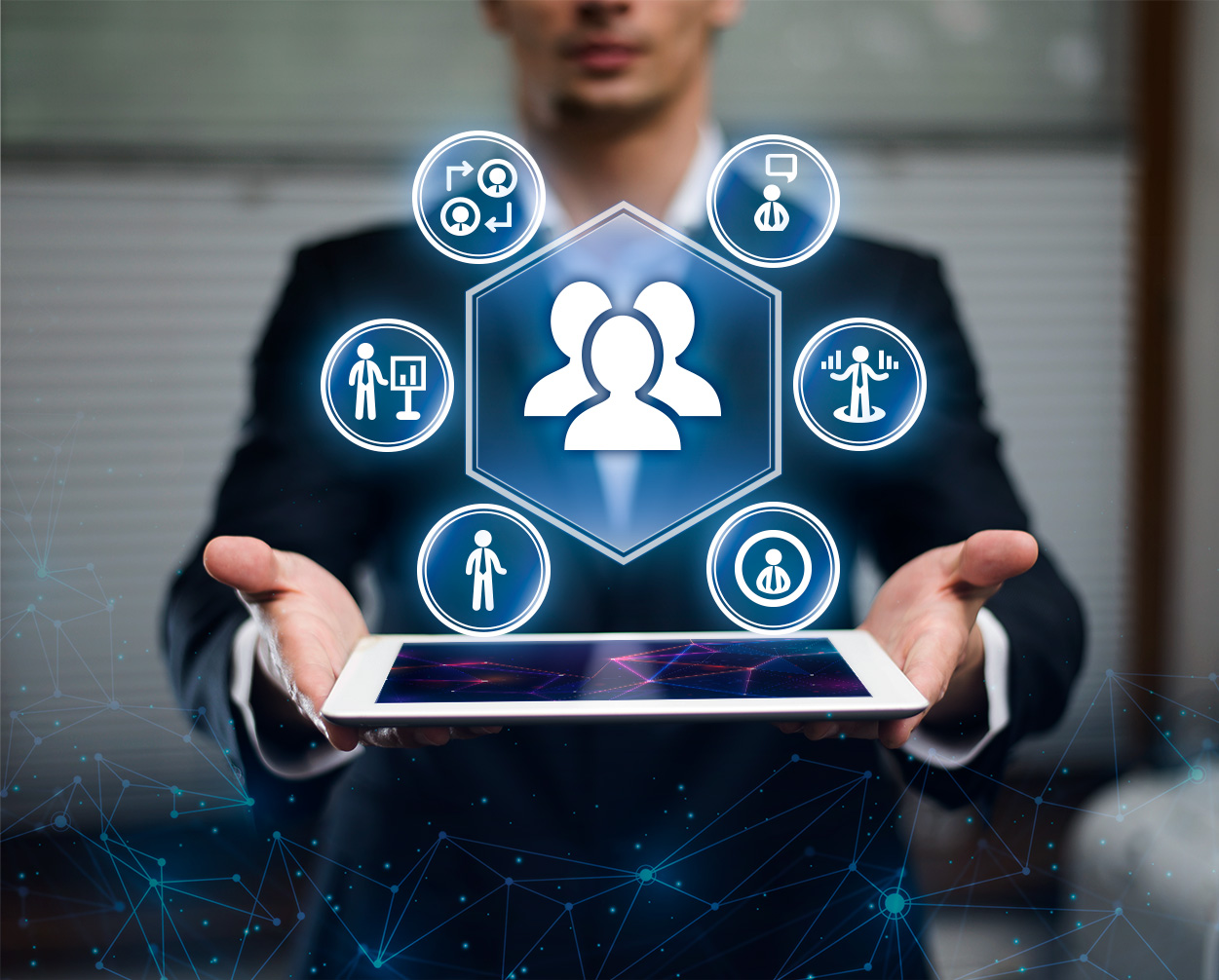
In the age of digital disruption, organisations need solutions that integrate people, processes, and technology. Cloud based HR solutions provide continuous accessibility, scalability, flexibility, intuitive user experience, simple upgrades, and faster deployment.
Let us explore how cloud transformation in HR is helping talent managers optimise human capital management.
Recruitment
Cloud based artificial intelligence solutions are transforming the recruitment process. From automating repetitive tasks to conducting unbiased talent screening, administering proctored tests, and evaluating candidate video interviews, AI systems can perform these tasks efficiently and at scale.
These solutions can screen large volumes of resumes quickly to match job requirements with suitable candidates. Artificial intelligence can also pre screen candidates through automated video interviews and analyse responses to identify the most promising applicants without human bias.
Chatbots support candidates throughout the recruitment journey by answering frequently asked questions and providing guidance. This allows HR professionals to dedicate more time to strategic activities that enhance the candidate experience.
Another capability offered by AI tools is candidate rediscovery, which enables organisations to revisit previously screened candidates who may be suitable for new roles.
HR Insights
Cloud enabled HR systems help reposition HR from a cost centre to a strategic contributor to business performance. Artificial intelligence powered analytics provide diagnostic, predictive, and prescriptive insights.
Machine learning based analytics can forecast future skill demand, predict turnover in critical roles, and provide insights into employee career aspirations.
In many organisations, employee related expenses represent a significant portion of operational costs, and hiring decisions often depend on financial projections. When HR analytics is integrated with financial data, organisations can better understand the relationship between talent, costs, and overall financial performance.
These insights enable HR teams to analyse data more effectively and make informed decisions that support long term business strategies.
Talent Management
Recent workforce trends such as the Great Resignation and quiet quitting have highlighted the importance of employee engagement and retention. Hybrid work environments have become a permanent feature of modern workplaces.
Before cloud adoption, onboarding remote employees and providing them with the required infrastructure and system access was time consuming and complex.
Cloud technology plays a critical role in enabling effective hybrid work environments. It supports collaboration and communication among distributed teams and helps maintain productivity.
Cloud based HR systems integrate essential functions such as talent management, workforce optimisation, and learning platforms. These systems offer unified employee experiences, self service capabilities, role based functionality, and integrated data for analysis.
Such platforms help create engaging workplaces that encourage inclusiveness, collaboration, and meaningful interactions. Artificial intelligence powered HR helpdesks also provide responsive support by answering common questions and managing complex HR cases.
Placing the right individual in the right role is essential for reducing employee turnover. Automating repetitive tasks enables employees to focus on meaningful work that adds value to the organisation.
Artificial intelligence can support personalised career development by helping employees explore potential career paths and skill development opportunities. Intelligent systems analyse employee data to recommend personalised learning and growth plans.
AI enhanced performance review systems also improve fairness by analysing multiple data sources across the entire review period and reducing the possibility of human bias.
Upskilling
In today’s rapidly changing labour market, organisations must attract top talent, retain them, and continuously develop their skills according to evolving business needs.
Many organisations are now aligning learning and development strategies with business objectives and promoting a culture of continuous learning.
Cloud based AI learning platforms support adaptive and self paced learning experiences. They often include virtual tutors that provide round the clock assistance to employees.
Training programmes are personalised based on insights gathered from employee roles, skill requirements, current knowledge levels, learning behaviour, and identified skill gaps.
Cloud learning platforms allow employees to access training resources anytime and from any location, ensuring equal opportunities for both on site and remote workers.
For learning initiatives to translate into meaningful business outcomes, organisations must integrate learning into everyday work processes so employees can learn, practise, and apply their knowledge directly in their roles.
Human capital management in the cloud can become truly transformative when organisations view it not only as a technological change but also as a broader business transformation that equally emphasises people, processes, and technology.
For more insights and updates, visit our LinkedIn page,
here.